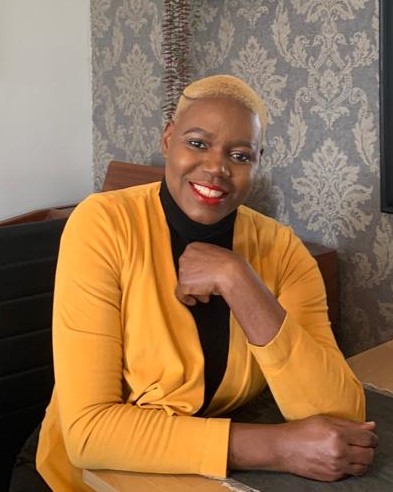
For as long as I can remember, I wanted to further my studies. But after my undergraduate degree, life took a different turn. I became a mother to two lovely daughters, something I had long looked forward to, and poured my energy into parenting with intentionality.
At the time, postgraduate study quietly slipped into the background. There was no internet, and attending classes required being physically present on campus.
I understood that further education would demand the same focus and presence I had devoted to raising my children. So, instead, I chose to prioritise my family.
Twenty-five years later, I arrived at a new chapter.
My daughters had become young adults, each preparing to begin their master’s degrees, and now, with a young son who had already started primary school, I felt a renewed sense of possibility. With the support of a loving and present husband, as well as my older children who were eager to help, I began to feel ready to revisit the academic dream I had carried for so long.
I made the decision to pursue my dream of furthering my studies, and so we crossed the ocean in pursuit of that goal.
Soon I came to realise that working towards a PhD, especially later in life and in a new country, brings challenges that go far beyond academics. It involves stepping into unfamiliar cultural spaces, learning a new educational system, and working around those changes while remaining present as both wife and mother. This phase of life requires a new level of intentionality, balancing the demands of family with academic expectations.
It is a daunting journey, but the continued support of my husband, my daughters, and our extended family remains helpful. That support is what makes this path deeply meaningful.
Four Important Conversations You Should Be Having
If you’re balancing big academic dreams with real-life responsibilities, here are four very important conversations that are helping me stay grounded. They may provide some encouragement and clarity for your own path, too.
1. The Conversation with Yourself: Staying Grounded
This is the one conversation I return to again and again. I’ve had to be real with myself about what this journey is asking of me and how it’s affecting me mentally, emotionally, and physically. Some days I feel driven and focused; other days, I’m just tired. Yes, the journey can be tiring sometimes.
So I check in with myself often, asking,
“How am I doing, really?”
“Do I need rest, a change of pace, or just a moment to breathe?”
I have learned over time that, sometimes, I need to slow down, reset, or simply be kind to myself, rather than pushing through. That’s what helps me keep going. This ongoing dialogue with myself helps me stay connected to why I’m doing this and reminds me that progress may not move in a straight line. It can sometimes be non-linear, and getting to grips with that sustains my growth.
2. The Conversation with My Partner: Aligning Our Lives
Once I fully grasped the demands of my PhD programme, which, truthfully, only became clear after I was already in it, I knew I needed to have a meaningful conversation with my husband. He was the first person I turned to because we share a home and a life. I wanted him to understand the intensity of the workload, the mental and emotional toll it takes, and the practical adjustments we had to make together.
From that point on, we committed to having regular, intentional conversations. We regularly discuss everything like schedules, school runs, household responsibilities, and how we can support each other emotionally through this journey. He listens, asks questions, offers solutions, and, most importantly, shows up, not just for me, but for us.
As part of our ongoing conversations, we make it a point to discuss how we structure our days and revisit those plans whenever changes arise. My husband and I align our schedules to ensure that one of us is always present for our son. This isn’t a new approach for us. Back in Nigeria, even with the support of domestic help, we ensured that at least one parent was consistently at home. Being actively present in our children’s lives has always been a shared priority, and pursuing a PhD hasn’t changed that. If anything, it reinforces our commitment not to let my academic journey come at the expense of our family values.
These conversations, though sometimes challenging, are the glue that holds us together in the midst of shifting roles and growing demands.
3. The Conversation with My Children: Sharing the Journey
Children notice more than we think. They notice shifts in mood, time, and attention often before we say a word. That’s why I’ve made it a point to keep the conversation with my children open and ongoing. I want my children to understand what I am doing and why. I explain my research in simple terms, talk about why it matters to me, and share when I need their patience or help. This openness helps my children, especially my son, feel included rather than sidelined. He becomes more understanding about when I need quiet time and more willing to spend time with his sisters during my focused work periods. My daughters, both engaged on their own academic journeys and building their careers, are also a source of strength and encouragement.
All these conversations promote a sense of love, care and affection in our home, assuring my children that they are a vital part of this journey.
4. The Conversation with My Supervisors: Setting Expectations Early
This practice of clear, proactive communication has also served me well within academia. Opening up to my supervisors about my circumstances has ensured understanding and flexibility from everyone regarding scheduling supervision meetings, setting deadlines, or negotiating responsibilities. Early on, I decided to be transparent about my age, family commitments, life outside the university, and how I intend to complete my studies within a reasonable timeframe. Rather than hiding these aspects for fear they might be seen as limitations, I shared them honestly. In return, I’ve received empathy, support, and a willingness to work collaboratively, all of which have made this journey more manageable and meaningful.

Attending a research poster design session with my son during his school holiday.
More Conversations That Make a Difference
Conversation with Friends and Community
Close friends and your wider support network play an important role. You should be open about your availability, needs, and limits, as this would help them support you in meaningful ways without misunderstanding your priorities.
The Conversation with Academic Peers
Talking with fellow researchers or PhD students creates a sense of shared experience. I have often found these chats to be very invaluable, as they provide me with fresh insight and a sense of belonging and direction when things feel tough.
The Conversation with Mentors Beyond Your Supervisors
This could include academic mentors, professionals in your field, or experienced scholars who can share their perspective and also provide encouragement and guidance that’s different from formal supervision.
The Conversation with Your Faith
One of the most powerful conversations I’ve had on this journey is deeply rooted in my faith. It’s my spiritual conversation with God, regularly reminded of His love. Knowing that He is my light and that there’s no darkness within Him brings a sense of confidence. When the road gets tough or uncertain, I turn to that truth. It helps me stay focused, positive, and assured, knowing that God is with me.
If faith is part of your journey, too, I encourage you to lean into it. Such quiet, personal moments of prayer or reflection can bring clarity and calm, even in the most overwhelming seasons.
Why These Conversations Matter
The PhD journey can be deeply isolating and emotionally overwhelming, especially when combined with the responsibilities of marriage and motherhood. I’ve learned that silence and assumption are not sustainable strategies. Unspoken expectations often lead to frustration and burnout.
Clear communication, by contrast, is a form of self-care. It protects our relationships and preserves our mental well-being.
So if you’re juggling family life and a PhD, I encourage you to talk. Talk often. Talk honestly. Talk even when it’s uncomfortable.
Those conversations might just hold everything together for you.
I wish you the very best in your PhD journey!
I’m rooting for you.
Your Mature PhD Supporter,
Adeola Eze
Subscribe by email below.
Visit the About page to find out more about me.
Check out why I started this blog here.Connect with me: Bluesky Adeola Eze Linkedin Adeola Eze X @adeolaeze