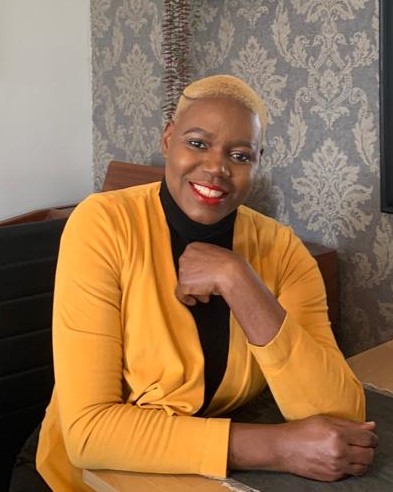
Earlier this year, I remember chatting with my daughter, Oluwaseyi, about a thought that had been tugging at my heart for a while. It was the idea of writing about my experience of returning to learning later in life, and creating a platform that offers support to others on the same path, even if it was through writing.
Before then, when I started my PhD programme, I had searched for platforms that focused on mature learners, especially those pursuing a PhD, that could support me in the early stages of my journey and speak to my unique situation. While there are many spaces that address the PhD journey, and most focusing primarily on academic matters, I didn’t find many that discuss the lived realities of mature and non-traditional PhD students, or that go beyond the academic side of things. There was little discussion about the identity shifts, life transitions, and the weight of carrying full responsibilities alongside academic research.
So I told my daughter I was thinking of starting something, just a blog where I’d share my experiences and offer support to others on similar paths. But I wasn’t sure if it would resonate with anyone or if it would even matter, and I hesitated a little.
My daughter said, “Do it anyway, if it tugs at your heart.”
And it did. It still does.
And here we are.
What began as a quiet blog has grown into something I never imagined, giving birth to a gathering place for mature and non-traditional PhD students to reflect, connect, and be reminded that they are not alone.
It was in a conversation with Dr Basirat Razaq-Shuaib, one of the eventual speakers, when the idea of a webinar really came alive. We were talking about the weight of navigating academic life as older students, and I said,
“We need to talk about this more. Loudly. Publicly. In community.”
That moment gave me the final push.
On September 25th, we hosted the first-ever PhD Beyond 50 webinar, titled “Reclaiming the Student Role: Mature Learners’ Perspectives”.
Over 50 people showed up. Some were current PhD candidates. Others were still considering it. All were mature learners who understood what it means to return to learning with life already in motion.
A heartfelt thank you to everyone who joined, listened, reflected, and shared.
And the wisdom shared by our incredible speakers? Deeply grounding and affirming.
Here are a few of my reflections, along with feedback highlights and snapshots from the webinar…


Who Are the Mature Learners?
One of the clearest insights from the feedback we received is that mature learners are not defined strictly by age. While some see maturity beginning in the 30s or 40s, the majority of attendees defined it as a matter of life stage, juggling caregiving, returning to study after a long time, navigating career transitions, managing health, or carrying other responsibilities alongside research.

This understanding is crucial because it shapes the kind of support we offer. It reminds us that adult learners aren’t starting from scratch; they are building upon lives already lived.
Motivations and What Brought People In
When asked why they joined the session:
- 36% came looking for a sense of community.
- 34% sought inspiration.
- 29% were looking for practical tools to navigate the journey.

In terms of why people are pursuing their PhDs in the first place, the majority said personal growth and the desire for lifelong learning. Only a small number cited career change or academic roles as their primary motivation.

That tells us something vital. For many mature learners, the PhD isn’t about proving something to the world. It’s about becoming. Expanding. Healing, even. It is, in many ways, a reclaiming of self.
Pain Points and Possibilities
Feedback revealed the biggest challenges mature learners face:
- Balancing multiple roles (parent, worker, student)
- Time management
- Feeling like an outsider in academic spaces
- Imposter syndrome, with over 70% saying they’d experienced it

One participant captured it well:
“It’s not just about managing time; it’s about managing identity.”
Confidence finding your way around academic life was mixed, with many feeling only “somewhat confident.” This suggests a critical need for mentoring, encouragement, and affirmation.
What Resonated Most
Thank you so much to each of our speakers who presented at the session. The feedback has been tremendous, and your words truly resonated with so many in the room. Each speaker brought a unique and meaningful perspective, offering not just insights but deep resonance for different members of our community. The feedback showed that there wasn’t just one highlight as people connected with different parts of the webinar based on where they were in their journey.
Dr Basirat Razaq-Shuaib led a powerful session on “Shifting Roles: From Expert to Student,” which explored the emotional toll and humility of starting anew after being an expert in another field. 15% of participants specifically mentioned this as their key takeaway.
Dr Ifeoma Dan-Ogosi’s contribution, “Building Support Systems That Work,” inspired 13% of respondents. Her emphasis on understanding your “why” and choosing your academic and emotional support systems wisely was noted as both practical and affirming.
Dr Maxine Beuret, speaking on “Staying Connected to Purpose,” resonated with 10% of attendees. Her reflections helped participants reconnect with their original motivations for returning to learning and why their work still matters, even amid daily demands.
Linda Marchant’s session on “Managing Energy, Not Just Time” was especially impactful, resonating with 21% of respondents. Her message reminded many that burnout is not simply about too many tasks, it’s about energy depletion, especially for those juggling caregiving, health, and other life demands.
Friend Olamuyiwa’s session, “Academic Visibility Without Overwhelm,” was appreciated for its groundedness, particularly in an academic culture where visibility can feel performative. 6% cited it directly, but more referenced the importance of building presence without pressure.
Adejoke Ejiofor brought a refreshing voice through her session on “Structure, Space & Staying Grounded in Academia & Other Realities.” 8% mentioned her talk, valuing the acknowledgement of real-life challenges and strategies for keeping balance.
And beyond individual talks, 23% of attendees said all the sessions resonated. This speaks volumes about the collective power of storytelling, representation, and the synergy of a diverse, all PhD panel rooted in lived experience.
Someone described it perfectly when she said, “Although the subject areas were all different, the experiences of those taking part were similar. That made me feel less alone.”


Participants appreciated the authenticity, honesty, and the lack of academic performance pressure. Just real people, talking about real experiences.
Where Do We Go From Here?
From the 23 detailed feedback responses, a few clear directions emerged:
- We need more spaces for mature learners to talk, reflect, and connect in our schools and beyond the schools.
- We want a mix of formats, short monthly chats and longer, deeper quarterly sessions.
- We want mentorship, not just academic, but emotional, real and practical.
- We want to be visible without being overwhelmed.

In response, we have now launched:
- A Signal chat group for informal connection and mutual support.
- A LinkedIn group for professional visibility, updates, and shared resources.
- A mailing list via the blog for continued reflections and updates.

In order to take in this community spirit, while my blog series continue under the name PhD Beyond 50, reflecting my personal journey of returning to doctoral study after age 50, I’ve thought it necessary to expand the umbrella for our wider community. The official LinkedIn group is now called PhD for Mature Learners as well as the Signal group, a name that is inclusive of all mature and non-traditional PhD candidates, regardless of age. Both the blog and the group will continue to grow together, offering support, visibility, and connection for those navigating this unique academic path.
You can join the mailing list here.
Resources & Recommendations Shared During the Session
As part of our commitment to ongoing learning and support, here are some of the helpful resources and links shared by speakers and participants during the session:
Book Recommendations
- The Unwritten Rules of PhD Research – Gordon Rugg & Marian Petre
- How to Be a Study Ninja – Graham Allcott
Article
- Aristotelian Interpretation of Practical Wisdom
Read on Nature.com
Concept Shared
- The Spoon Theory – originally shared by Christine Miserandino and referenced by Charlotte Walker during the webinar.
Read it here
(A PDF version has also been sent in the follow-up email.)
Research Survey
- From Christine Duffy:
Exploring Black African and Caribbean Women’s Sources and Perceptions of Muscle Strength Training Information, and its Influence on Participation During the Menopause Transition
Take the Survey
Looking Ahead… What the Community Wants
Beyond reflecting on shared challenges and insights, participants also helped us look forward. When asked what topics they’d like us to explore next, their responses were as diverse and practical as their journeys.
We had responses like:
“I’d like something specific on the challenges of menopause.”
“What were the pinch points in your journey?”
“Managing the supervisory relationship when your supervisor is younger…”
“The hints and tips were invaluable. Stickability — resilience when the going gets tough.”

Common themes included:
- Navigating the early stages – applying, refining subject choices, and choosing a supervisor.
- Funding access and scholarships, especially for international students.
- Mental health and menopause – particularly under-discussed but deeply impactful.
- Power dynamics in supervision – such as having younger or less-experienced supervisors.
- Building confidence, time management, and “stickability” – the emotional resilience to keep going.
- Creating impact and legacy – how to make research meaningful and visible, even when starting midlife.
These actually go beyond logistical concerns; they reflect deep needs for validation, visibility, and connection in every stage of the PhD experience.
As we shape the next sessions, these responses are guiding our content calendar, ensuring it remains grounded in what real people are asking for.
Final Reflections: This Is Only the Beginning
This webinar was never about answers. It was about naming what we carry, and reminding each other that we are not carrying it alone.
One participant wrote:
“This gave me language for what I’ve been feeling all along. I’m not behind. I’m just on my own timeline.”
Another shared:
“I felt moved, nourished, no longer alone… it is for me a great support.”
All that makes it all worth it.

We are not just talking about PhDs. We are talking about possibility.
We are not just talking about deadlines. We are talking about dignity.
We are creating space for people reclaiming the student role without losing the fullness of who they are.
Thank you for being part of this. The journey continues.
Still rooting for you.
Your mature PhD supporter,
Adeola Eze